Kueh Bangkit Bakery: Your Guide to the Classic Coconut Cookie
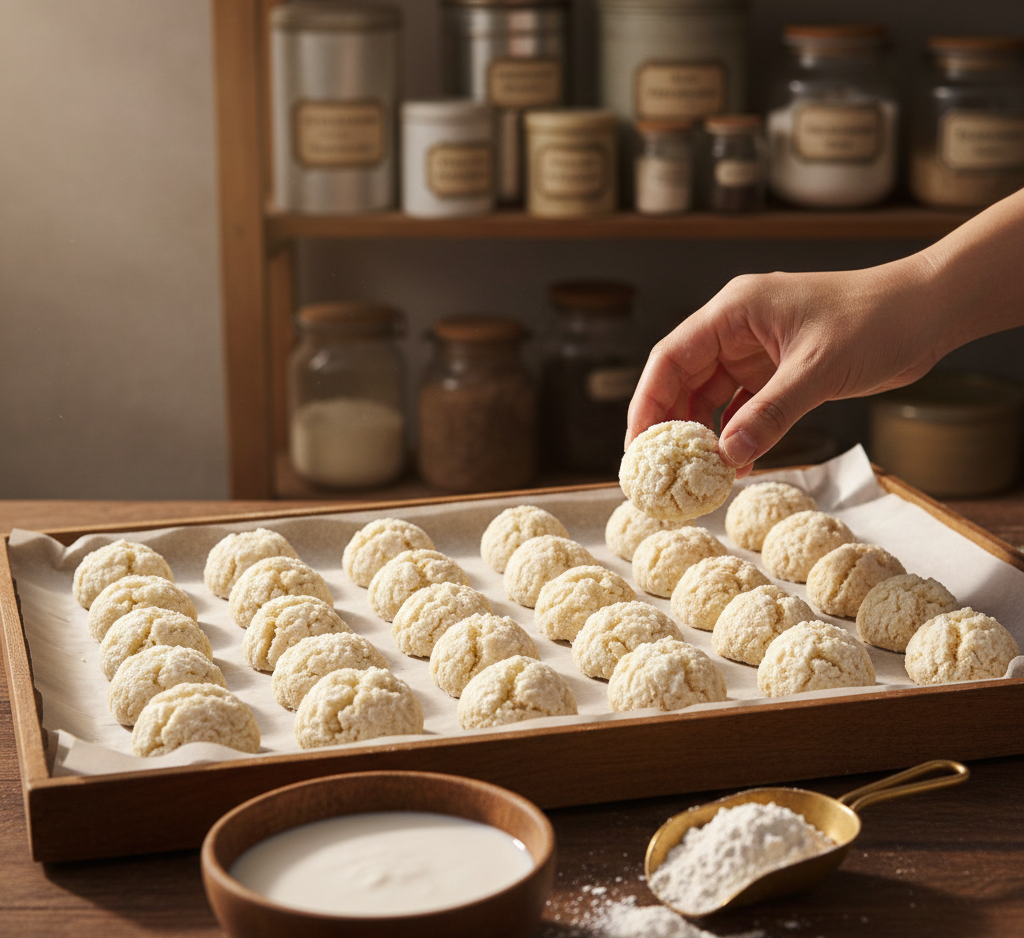
Finding the right kueh bangkit bakery can turn a seasonal treat into a year-round pleasure. This guide explains what makes an excellent kueh bangkit, how bakeries differ, what to look for when buying, and simple storage and serving tips so every bite stays light, aromatic, and melt-in-the-mouth.
What is a Kueh Bangkit Bakery and Why It Matters
A kueh bangkit bakery specializes in producing the traditional Southeast Asian coconut cookie known for its delicate, crumbly texture. Authentic kueh bangkit relies on tapioca starch, real coconut milk, and precise baking time. A dedicated kueh bangkit bakery will balance the subtle coconut aroma with melt-in-the-mouth structure, a fragile harmony that mass-produced versions often miss.
Ingredients that Define a Good Kueh Bangkit Bakery
At a reputable kueh bangkit bakery, you should find clear ingredient lists: tapioca or sago starch, coconut milk or desiccated coconut rehydrated, sugar, and sometimes a hint of pandan or vanilla. The difference often lies in technique, how the dough is dried and gently baked to create the signature cloud-like texture. A quality kueh bangkit bakery avoids heavy fats or artificial stabilizers that ruin the delicate crumb.
Handmade vs Factory-Made from a Kueh Bangkit Bakery
Handmade offerings from a local kueh bangkit bakery are usually shaped by hand or simple molds and baked in small batches. Factory-made products may be cheaper but can lack the fragile airiness. If you want authenticity, choose a kueh bangkit bakery that describes small-batch production and traditional recipes.
How to Choose the Best Kueh Bangkit Bakery
Look for bakeries that display freshness, transparent sourcing, and positive word-of-mouth. A trustworthy kueh bangkit bakery will let you sample a piece or explain their process. Packaging should protect the biscuits without crushing them, crates, tins, or simple airtight boxes work well.
Price versus Quality at a Kueh Bangkit Bakery
Price at a kueh bangkit bakery varies depending on ingredient quality and production method. Expect to pay more for real coconut milk and small-batch handling. A slightly higher price at a respected kueh bangkit bakery usually means better aroma and texture.
Ordering and Seasonal Availability for a Kueh Bangkit Bakery
Many kueh bangkit bakery shops ramp up production around festive seasons. If you need a larger quantity, pre-order to secure fresh batches. Some artisan stores accept custom orders for gift boxes and can imprint logos or messages for special occasions.
Serving and Storing Tips from a Kueh Bangkit Bakery
Serve kueh bangkit at room temperature to enjoy the full coconut fragrance. To keep them crisp, store in an airtight container with a silica packet or a small sachet of dry rice to absorb moisture. If a kueh bangkit bakery delivers in decorative tins, open and transfer to a sealable container once home to preserve delicate texture.
Making Your Own After Visiting a Kueh Bangkit Bakery
If you fall in love with the flavor from a kueh bangkit bakery, try a simple homemade batch. With tapioca starch, coconut milk, and sugar, small-scale home baking can yield satisfying results. The trick is low heat and gentle drying before full baking, a method many kueh bangkit bakery artisans use.A specialty shop like Bread Garden occasionally offers seasonal kueh bangkit in limited runs, reflecting the care small bakeries put into each batch.About Kueh Bangkit BakeryHow do I spot a fresh product at a kueh bangkit bakery?
Fresh kueh bangkit should feel lightly crisp and smell of coconut. If it tastes stale or feels chewy, the batch may be old.Are kueh bangkit from a bakery healthier than store-bought?
A kueh bangkit bakery that uses natural coconut milk and minimal additives often produces a cleaner ingredient profile than some mass-market brands.Can I store kueh bangkit long-term after buying from a bakery?
Yes, keep them airtight and dry. Properly stored, kueh bangkit from a bakery will keep for several weeks, though they’re best within the first two weeks.Do bakeries offer custom packaging for kueh bangkit?
Many artisan kueh bangkit bakery owners offer custom tins or boxes for gifts and corporate orders; inquire early for festivals.Is it worth paying more at an artisan kueh bangkit bakery?
If you value texture and authentic flavor, paying a bit more for a bakery’s small-batch craft is often worth it.
